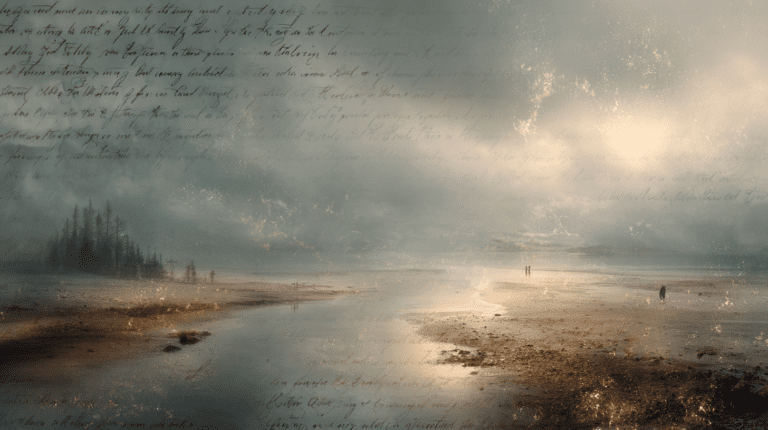
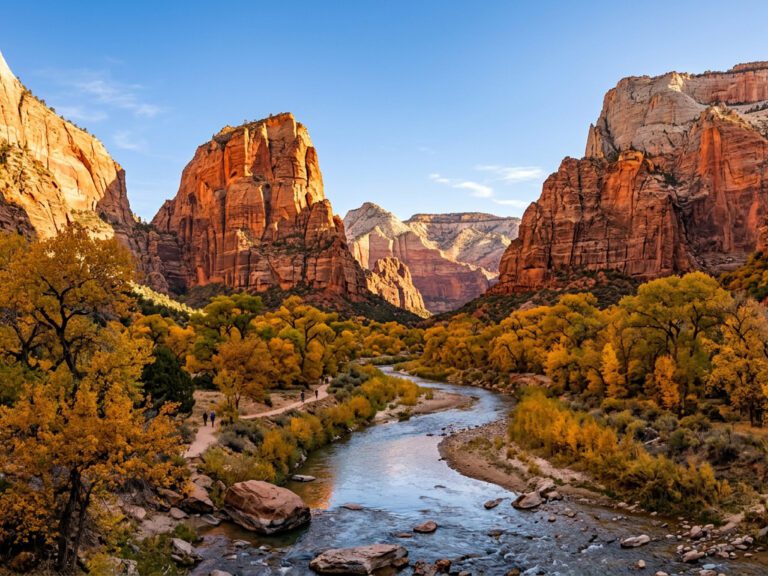
On learning to read light — and why it changes everything you photograph.
Most people take photographs when something looks beautiful. I take photographs when the light is doing something interesting.
Those are not always the same moment.
After a long career in lighting design — understanding how a single beam can transform a stage, a space, a face — I look at the natural world a little differently than most photographers. Not better, necessarily. Just differently. I see light as the subject, not just the medium.
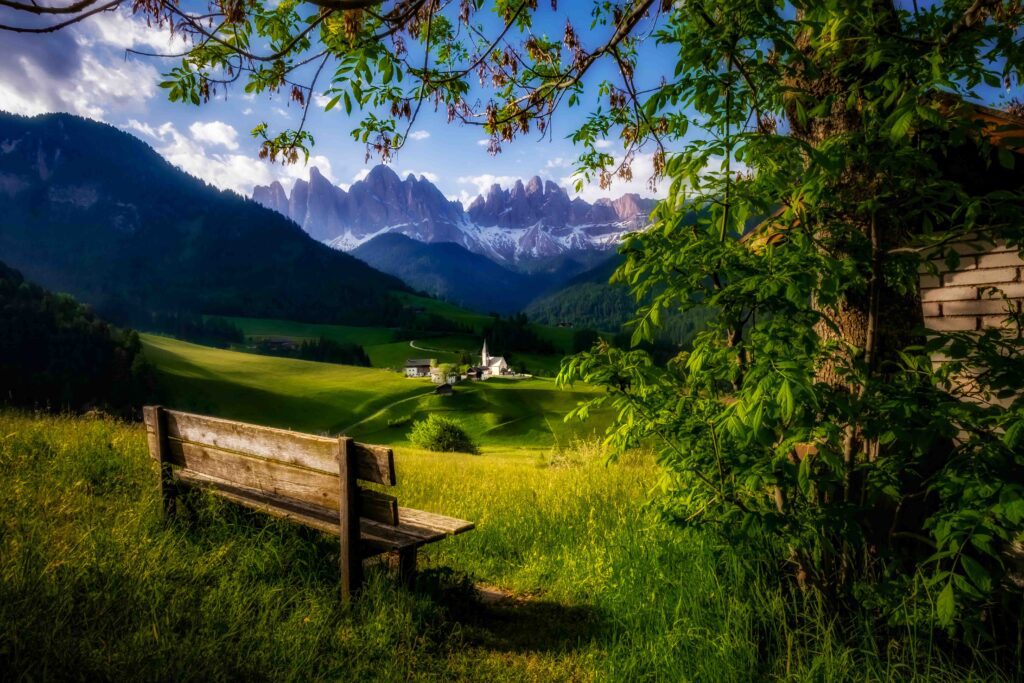
What It Means to Read Light
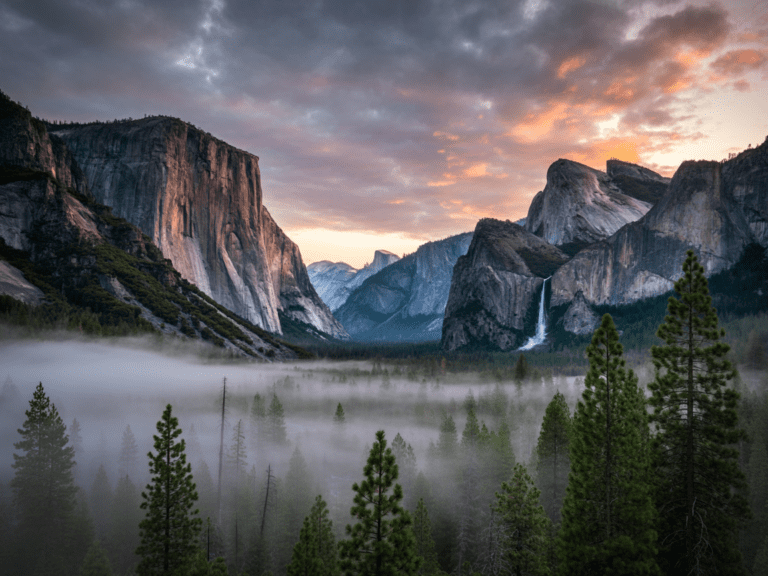
Light has behavior. It has direction, temperature, and quality. It changes minute by minute, and it behaves differently in different landscapes. The light at the Grand Canyon isn’t the same as the light in the Pacific Northwest. The light at 5am is a completely different thing than the light at noon.
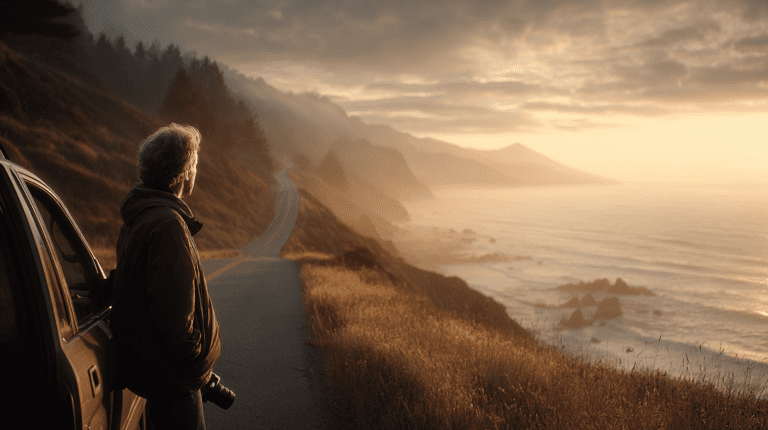
Most people are taught to photograph in the golden hour — that warm window just after sunrise and before sunset. And the golden hour is real, and beautiful, and worth chasing.
But there are other moments that most people miss entirely. The ten minutes after a storm when the sky goes silver and everything on the ground glows. The flat midday light in the desert that strips away shadow and reveals texture. The blue hour before dawn when the world is a completely different color.
Those are the moments I’m most interested in. And they’re available to anyone willing to show up at the right time and pay attention.
What You’ll Find Here
The Light category is where I get specific about what I’m seeing and why it matters. Not gear reviews. Not technical tutorials. But observations — from the road, from the parks, from years of watching what light does to a landscape when you’re patient enough to wait for it.
If you’ve ever looked at a photograph and wondered why it felt different from everything else — why the light seemed alive instead of just present — this is the category for you.
You don’t need a career in lighting design to learn to see this way. You just need to start looking.
The best light happens when you show up before you think you need to.
Light was always the first language. I’m just learning to speak it in a new landscape.
— Michael